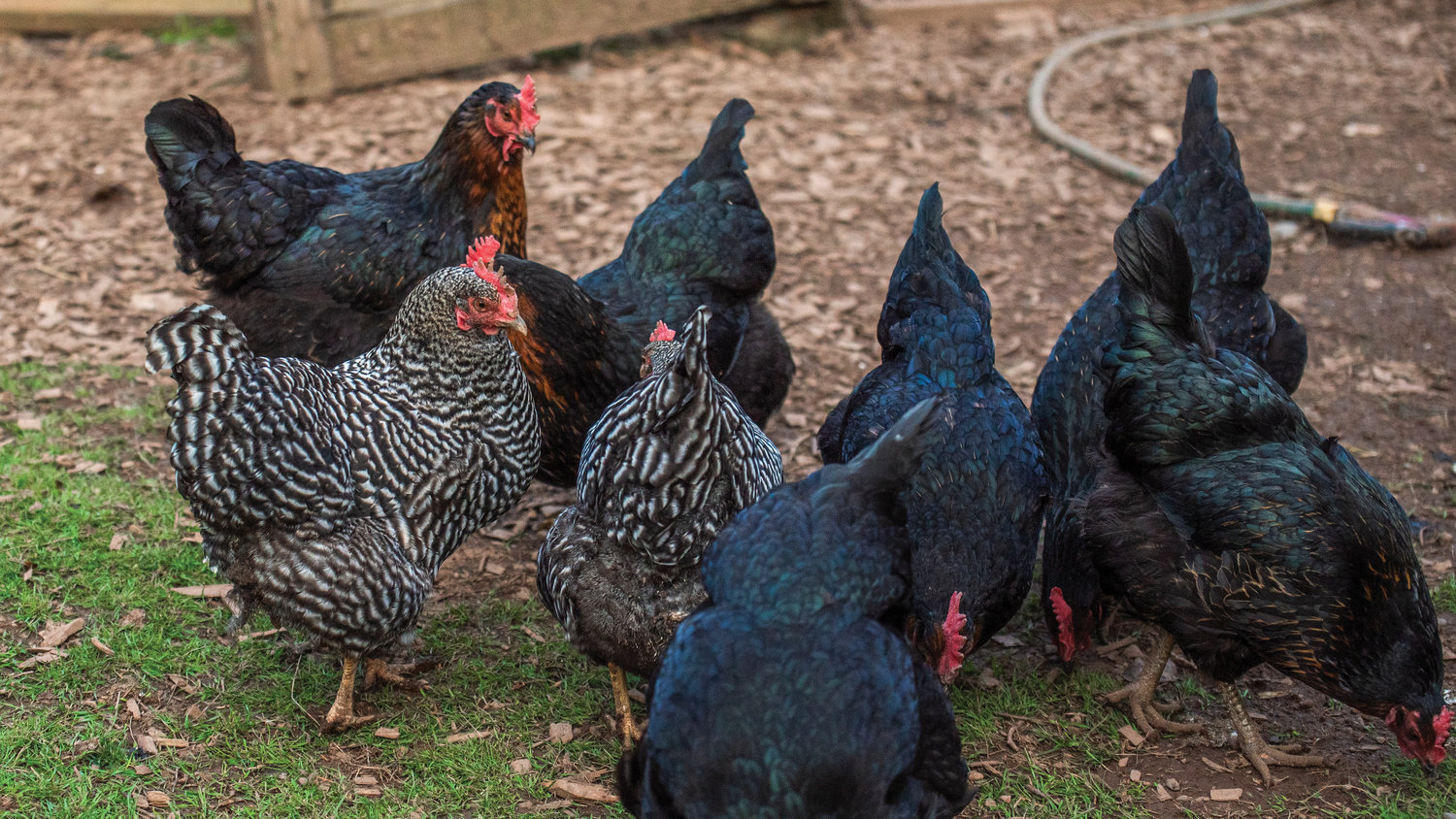
Fall migration of wild waterfowl continues to drive high statewide risk of avian influenza (bird flu), according to a recent news release from the Washington state Department of Agriculture (WSDA).
The WSDA has confirmed new cases of highly pathogenic avian influenza (HPAI or bird flu) in domestic flocks in Jefferson, San Juan and Clark counties.
These detections bring this year’s total number of affected counties to 10. Since the beginning of the outbreak period in 2022, 4.1 million domestic birds have been euthanized across 24 counties in Washington state. Over the past month, WSDA also recorded first-time detections in Clark, Grant, Island and Grays Harbor counties, underscoring how widely the virus is circulating. Reports of sick domestic and wild birds continue across Washington.
Last month, a Grays Harbor County resident became the first human to die from a new strain of the virus.
Flock owners within six miles of the Clark, Jefferson and San Juan detections fall under a surveillance zone, which can be viewed at https://tinyurl.com/5dppwn7m. Anyone shown within this surveillance zone is encouraged to self-report any sudden flock health changes using WSDA’s online reporting tool at https://tinyurl.com/6txk67ya.
Flocks in surveillance zones may be at increased risk and are an indicator that infected migrating waterfowl are in the area. To date, all 63 detections in Washington state have been due to contact with wild birds or their shared environment.
Dr. Amber Itle, state veterinarian with the Washington state Department of Agriculture, said bird flu isn’t new to Washington and has been the longest and most deadly outbreak on record. The continued spread of HPAI shows how persistent the virus is in migrating birds. With migration peaking, she said the risk to domestic flocks is extremely high but preventable with strong biosecurity.
“Bird flu is an extremely painful and deadly disease of all domestic poultry. It is so sad to see our feathered friends suffer and so hard to work with flock owners who face losses and emotional strain,” Itle said. “I can’t stress enough the importance of bringing your birds undercover and away from wild birds to protect them; the best gift you can give them this holiday season.”
Backyard flocks continue to represent most domestic HPAI detections in the state. Contact with wild birds or contaminated environments remains the primary risk pathway, making daily biosecurity essential, according to the news release.
For more information on human health risks associated with avian influenza, visit https://tinyurl.com/bdsp7yut.